Don't Get Soaked: A Homeowner's Guide to Protecting Your Chimney from Louisiana Storms
When the skies open up and another heavy Louisiana downpour begins, most Baton Rouge homeowners instinctively think about their roof. We listen for drips and hope our shingles are holding strong. But there’s a common culprit for water intrusion that often goes overlooked until it’s too late: the chimney. As a critical feature that breaks the seamless plane of your roof, your chimney is one of the most vulnerable points for leaks, especially during our intense storm season. Understanding how to spot the signs of a problem can save you from costly and frustrating water damage inside your home. This guide will walk you through the common causes of chimney leaks and what you can do to ensure your home stays protected.
Why Your Chimney is a Prime Target for Water Intrusion
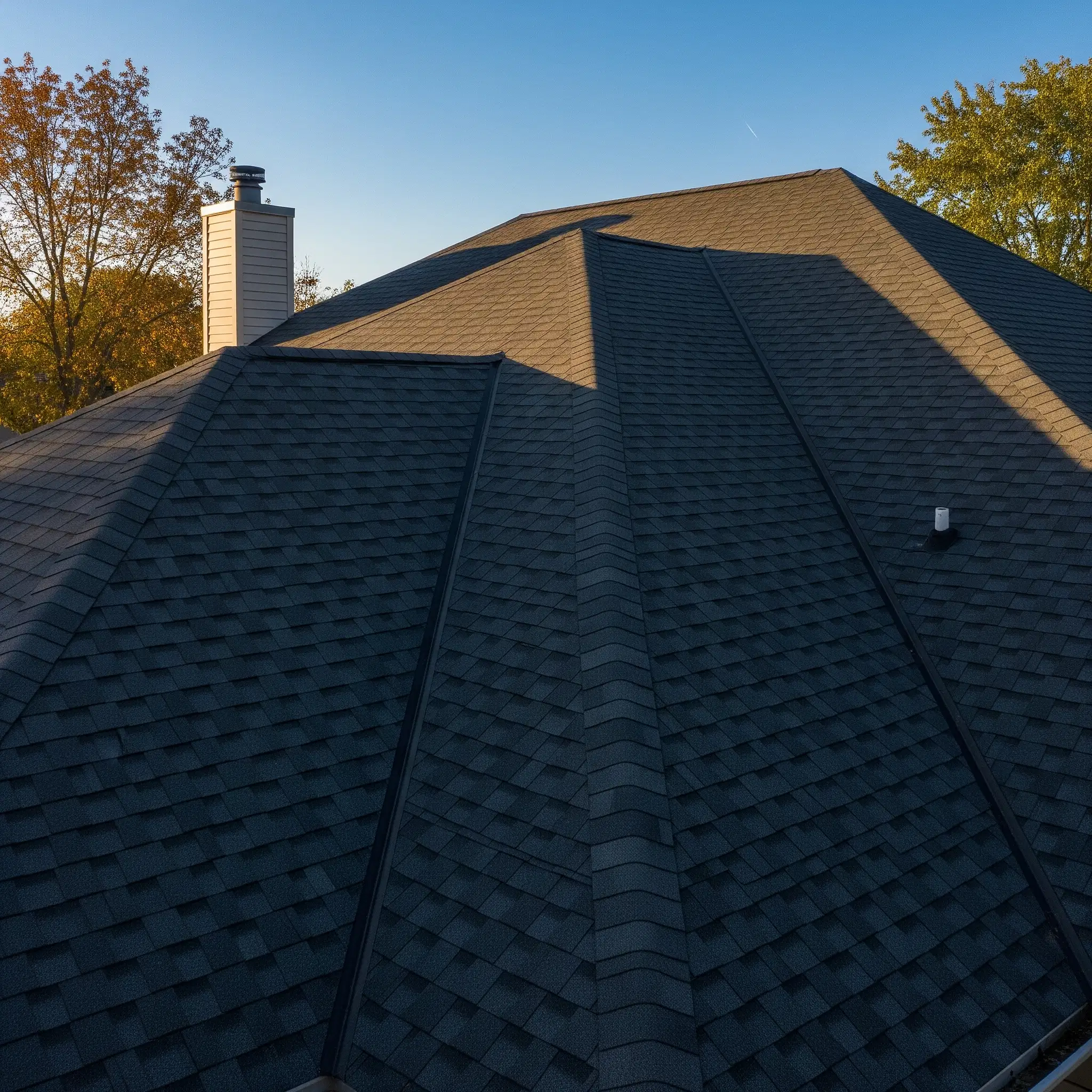
Think of your roof as a shield. A chimney, by necessity, creates a hole in that shield. While it's designed to be sealed, the intersection between the chimney and your roof is under constant stress from the elements. Here in Louisiana, that means intense sun, high humidity, and torrential rain. During hurricane season, high winds drive rain sideways, forcing water into tiny cracks and crevices that might otherwise go unnoticed. Over time, this constant exposure can wear down the very materials designed to keep water out, turning your cozy fireplace into a source of major water damage.
The Usual Suspects: Common Causes of Chimney Leaks
When we get a call about a leak around a fireplace, our inspection usually reveals one of a few common issues. Understanding these weak points is the first step in preventing them.
-
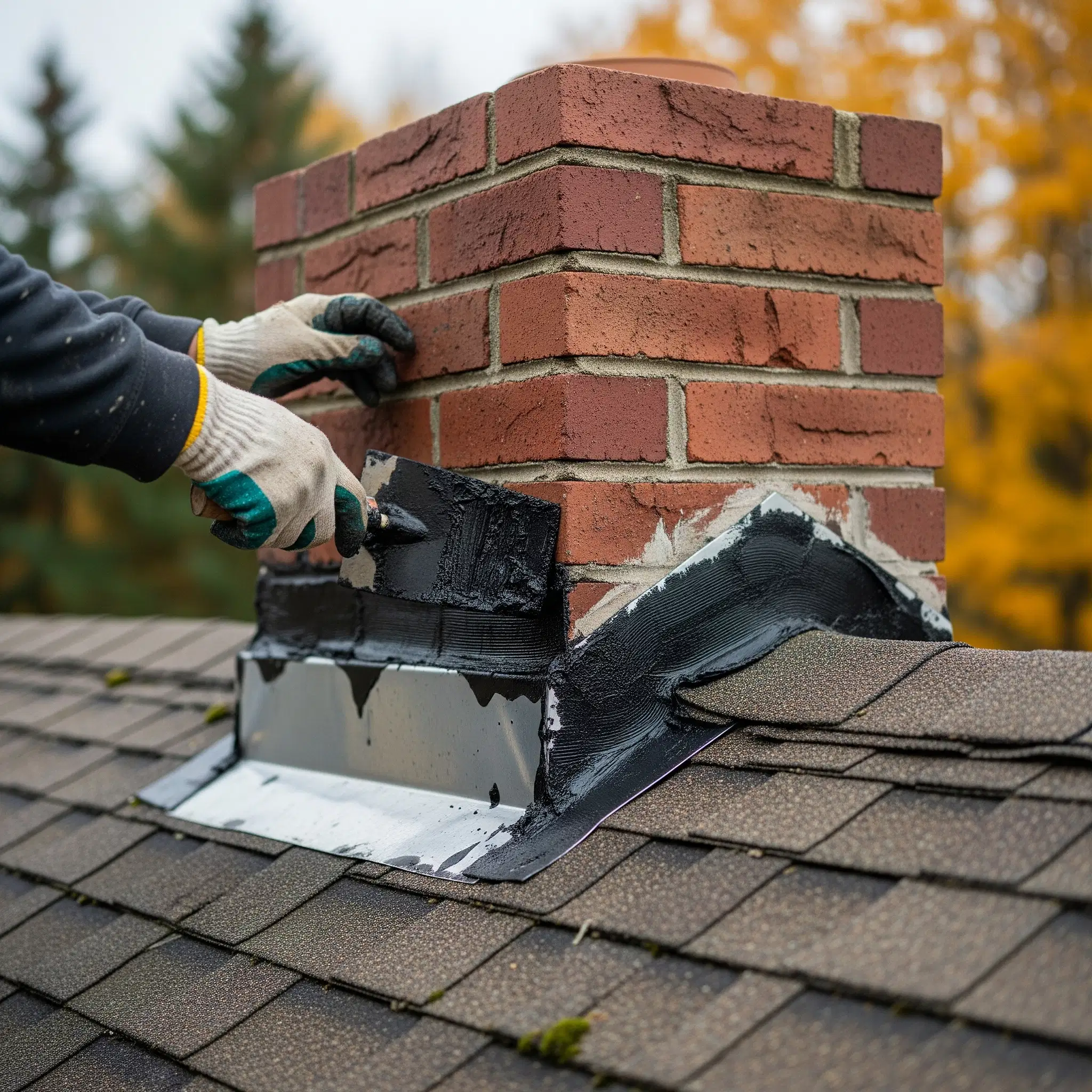
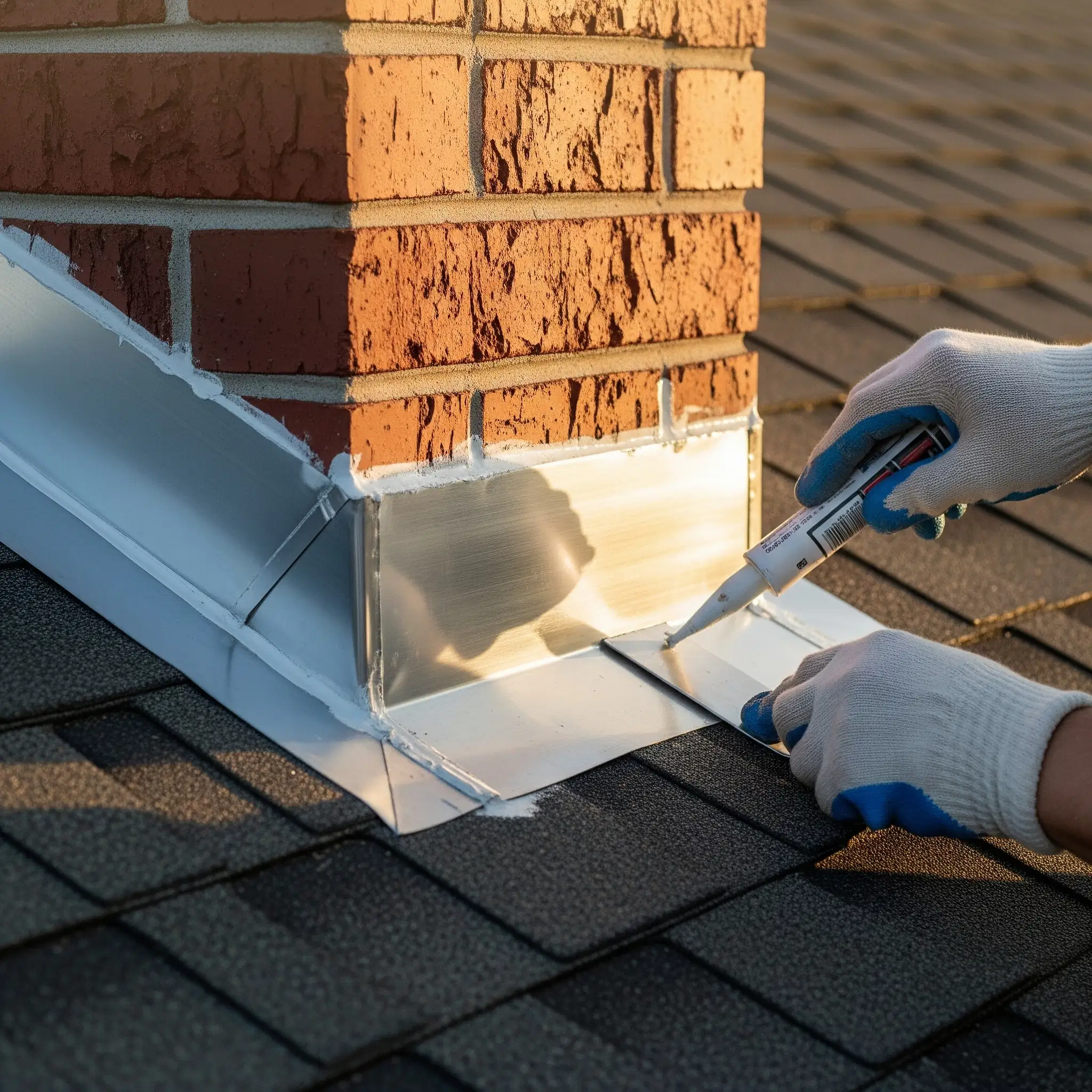
Failed or Damaged Flashing: This is the number one cause of chimney leaks. Flashing is a thin layer of metal installed where the chimney meets the roofline. Its job is to create a waterproof barrier that directs water away from the seam. Over time, flashing can rust, come loose due to high winds, or fail if the sealant around it cracks and deteriorates. Improper installation is also a frequent problem, creating an issue from day one. Expert chimney repairs almost always start with a thorough inspection of the flashing.
-
Cracked Chimney Crown: The chimney crown is the concrete or cement slab on top of your chimney. It's meant to shed water away from the flue opening. When the crown develops cracks—a common occurrence due to settling and weather exposure—it acts like a funnel, channeling water directly into the chimney's masonry structure.
-
Deteriorated Masonry: The bricks and mortar that make up your chimney are porous. They can absorb a significant amount of water during a heavy rainstorm. When this moisture gets trapped and the sun beats down, it can cause the face of the bricks to flake or pop off, a process called spalling. Likewise, the mortar joints between the bricks can crumble and wash away, creating direct pathways for water to enter your home.
Telltale Signs of a Chimney Water Problem
Catching a chimney leak early is key to minimizing damage. Keep an eye out for these warning signs, both inside and outside your home:
- Water stains on the ceiling or walls surrounding your fireplace.
- Peeling paint or wallpaper near the chimney.
- A musty or damp smell in or around the fireplace, especially after it rains.
- Visible water dripping or condensation inside the firebox.
- Damaged or missing shingles on the roof around the chimney base.
- White, chalky stains (efflorescence) on the exterior brick, which indicates moisture is leaching salts out of the masonry.
- Visible cracks in the bricks or mortar joints.
If you notice any of these issues, it's a clear signal that you need a professional inspection. A small stain can be a sign of a much larger, hidden moisture problem that requires prompt roof leak repairs to prevent structural damage and mold growth.
Proactive Protection for Your Peace of Mind
Preventing a leak is always easier and more affordable than fixing the damage it causes. The best defense is a proactive one. We recommend a professional roof and chimney inspection at least once a year, especially before the start of hurricane season. An expert can identify deteriorating flashing, fine cracks in the crown, or early signs of masonry decay that are invisible from the ground.
When a problem is found, it's crucial to address it correctly. A temporary patch with caulk might seem like a quick fix, but it won't stand up to our climate. Proper repairs involve using high-quality materials and proven techniques to ensure a durable, long-lasting seal. Whether it's a simple fix or more extensive storm damage repairs, investing in quality workmanship provides peace of mind and protects the value of your home.
Trust Your Chimney to the Local Experts
Your chimney is an integral part of your home's roofing system, and it deserves the same level of care and attention. Don't let a small, hidden issue turn into a major headache during the next big storm. By recognizing the signs of trouble and being proactive with maintenance, you can ensure your home remains safe and dry.
If you've noticed any of the warning signs we've discussed or want a professional inspection for your Baton Rouge home, contact Alliance Roofing LLC today. We specialize in comprehensive roof repairs, including expert chimney repairs, to keep your home protected, no matter what the weather brings.