Is Your Attic Making Your Home Hotter? How Proper Ventilation Can Save Your Roof and Your Wallet
We all know that intense Louisiana heat. It’s the kind that makes you grateful for air conditioning the second you step inside. But what if one of the biggest culprits behind your high summer energy bills and uncomfortable indoor temperatures is hiding right above your head? For many homeowners in the Baton Rouge area, an under-ventilated attic acts like a giant heat trap, silently driving up costs and shortening the life of your roof.
At Alliance Roofing LLC, we believe a healthy roof is more than just shingles; it’s a complete system designed to protect your home. A critical, yet often overlooked, part of that system is proper attic ventilation. In this guide, we’ll explain why attic airflow is so important in our humid climate, how to spot the signs of a problem, and how the right solution can lead to a more comfortable, energy-efficient home.
The Problem: When Your Attic Can't Breathe
Think of your attic as the lid on your home. Throughout the day, the sun beats down on your roof, and that thermal energy gets transferred into the attic space. Without a way to escape, this superheated air can reach temperatures of 150°F or more. This creates two major problems for homeowners.
First, that intense heat radiates downward through your ceiling and insulation, forcing your air conditioning system to work much harder to keep your living spaces cool. This constant battle results in higher energy bills and unnecessary strain on your HVAC unit. Second, the extreme heat effectively “bakes” your roofing materials from the inside out. For an asphalt shingle roof, this can lead to premature aging, causing shingles to become brittle, curl, and lose their protective granules long before their expected lifespan is up. This is a perfect example of how poor roof airflow can directly impact your shingle lifespan and lead to costly, premature replacements.
Beyond Heat: The Hidden Dangers of Trapped Moisture
In a humid climate like ours, heat isn't the only enemy. Everyday activities like showering, cooking, and laundry produce a surprising amount of water vapor that naturally rises into the attic. In a poorly ventilated space, this moisture has nowhere to go. It becomes trapped, condensing on the cooler surfaces of your roof decking and insulation as temperatures drop overnight.
This trapped moisture is a recipe for disaster. It can lead to:
- Mold and Mildew Growth: Creating unhealthy air quality that can filter down into your home.
- Wood Rot: Compromising the structural integrity of your roof deck, rafters, and joists.
- Reduced Insulation Effectiveness: Damp insulation becomes compressed and loses its R-value, making it less effective at resisting heat transfer.
Over time, these issues can lead to significant structural damage, requiring extensive and expensive roof repairs that could have been avoided with a proper ventilation system.
The Solution: A Balanced Ventilation System
So, how do you fix a stuffy attic? The key is creating a balanced ventilation system that allows your attic to breathe naturally. This isn't just about adding a vent here or there; it's about creating a continuous, passive flow of air. A balanced system relies on two main components:
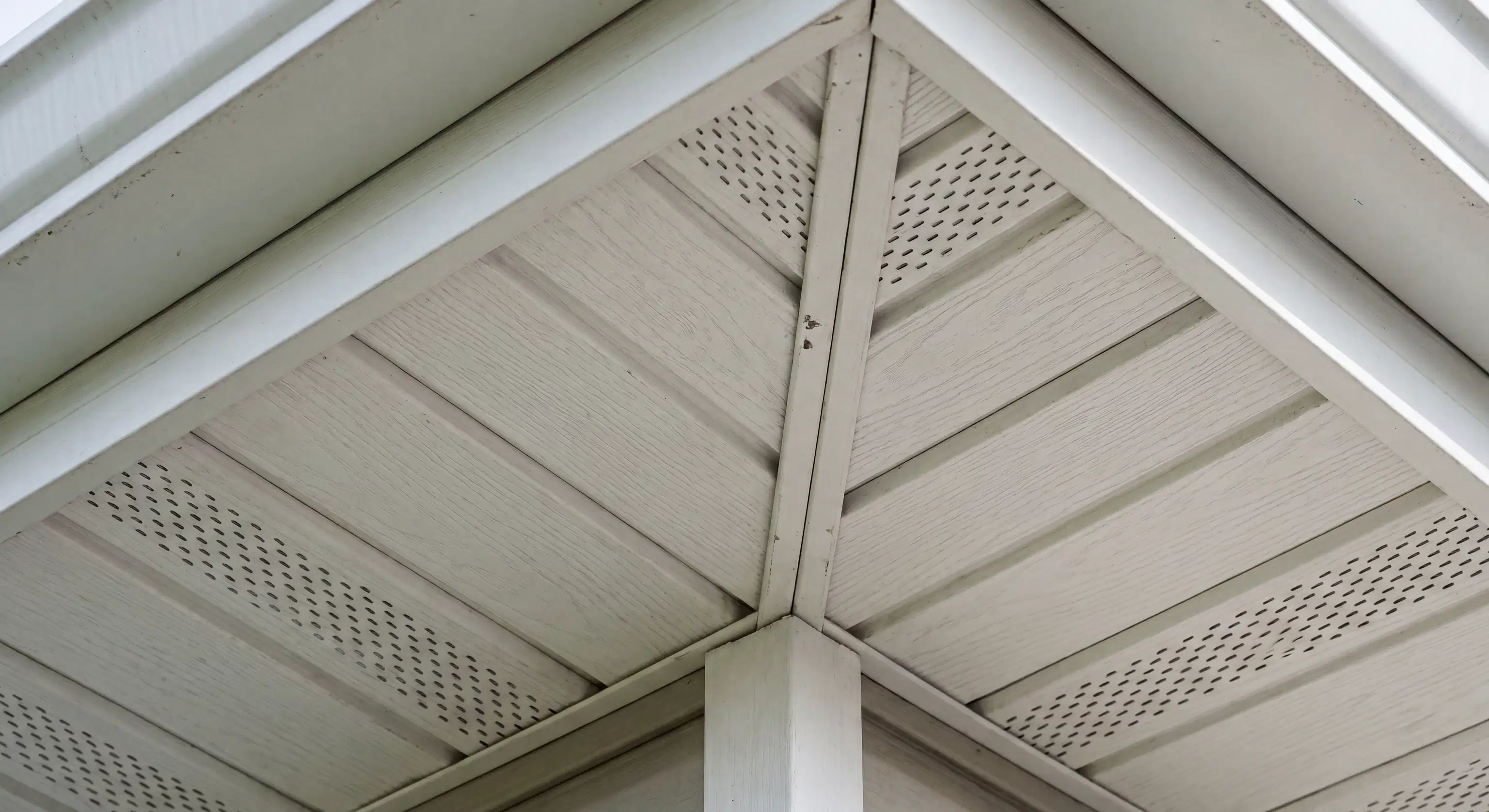
- Intake Vents: Located at the lowest part of the roof, typically in the soffits or eaves. These vents allow cool, fresh air to be drawn into the attic from outside.
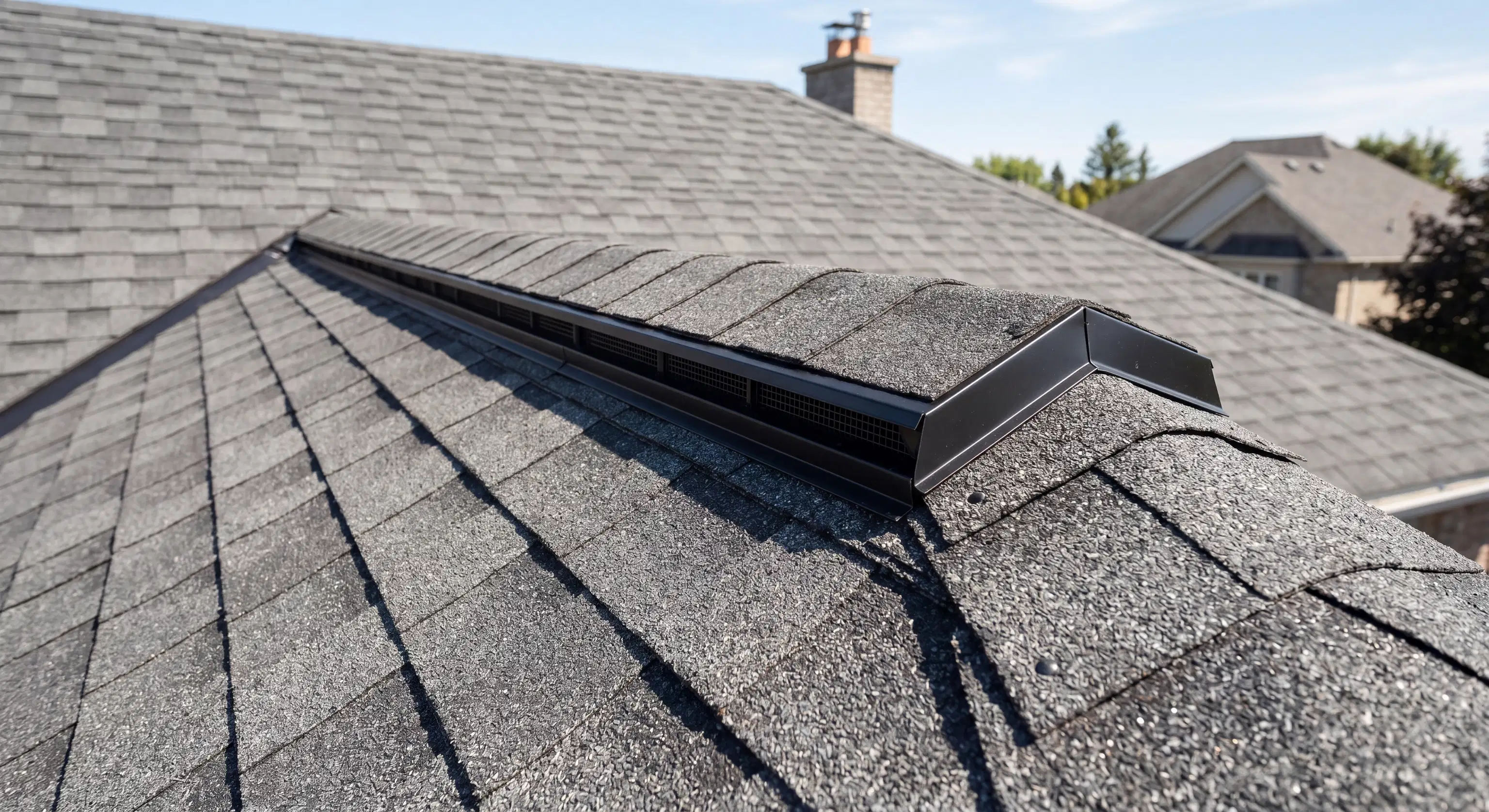
- Exhaust Vents: Located at the highest point of the roof, such as a ridge vent along the peak or box vents placed near the top. These allow the hot, moist air that has risen to the top of the attic to escape.
This system works on the simple principle of convection—hot air rises. The cooler air entering through the intake vents pushes the hotter, lighter air up and out through the exhaust vents. This constant circulation prevents heat and moisture from building up, protecting your home year-round, from the peak of summer heat to the middle of hurricane season.
Is Your Attic Ventilation Working? Key Warning Signs
Many homeowners have no idea their attic ventilation is inadequate until serious problems arise. Here are a few signs that your home might be suffering from a poorly ventilated attic:
- Consistently High Summer Energy Bills: Your AC is running constantly but struggles to keep up.
- Hot Upper Floor: The second story of your home feels noticeably warmer than the ground floor.
- Visible Moisture in the Attic: You notice dampness, frost, or dark spots on the underside of the roof decking.
- Prematurely Aging Shingles: Your shingles are cracking, curling, or warping despite the roof not being that old.
If any of these sound familiar, it’s a strong indication that your attic isn't breathing correctly. Ignoring these signs can lead to a cycle of damage that ultimately ends in a full roof replacement.
Take Control of Your Home's Comfort and Efficiency
Proper attic ventilation is one of the smartest investments you can make in your home’s health and longevity. It lowers your energy costs, extends the life of your roof, and creates a more comfortable living environment for your family. Instead of guessing whether your system is working, let the experts at Alliance Roofing LLC provide a clear, honest assessment.
We offer a free, no-obligation roof inspection for homeowners throughout the Baton Rouge parish and surrounding areas. Our experienced team will thoroughly evaluate your entire roofing system, including your attic ventilation, and provide you with straightforward recommendations. Whether you need a simple vent addition, a minor repair, or a comprehensive new roofing system, we’re here to help. Contact us today to schedule your inspection and start making your home more comfortable and efficient.